Home / Articles
Revitalize Your Immune System with High-Dose Vitamin C Infusions
Home / Articles
Revitalize Your Immune System with High-Dose Vitamin C Infusions
To be honest, most people associate vitamin C with simple, everyday health habits — a citrus fruit in the morning, a tablet during cold season, something mild and familiar. It feels almost too basic to be discussed in the same conversation as cancer care or immune recovery.
Yet in clinical settings, vitamin C tells a very different story.
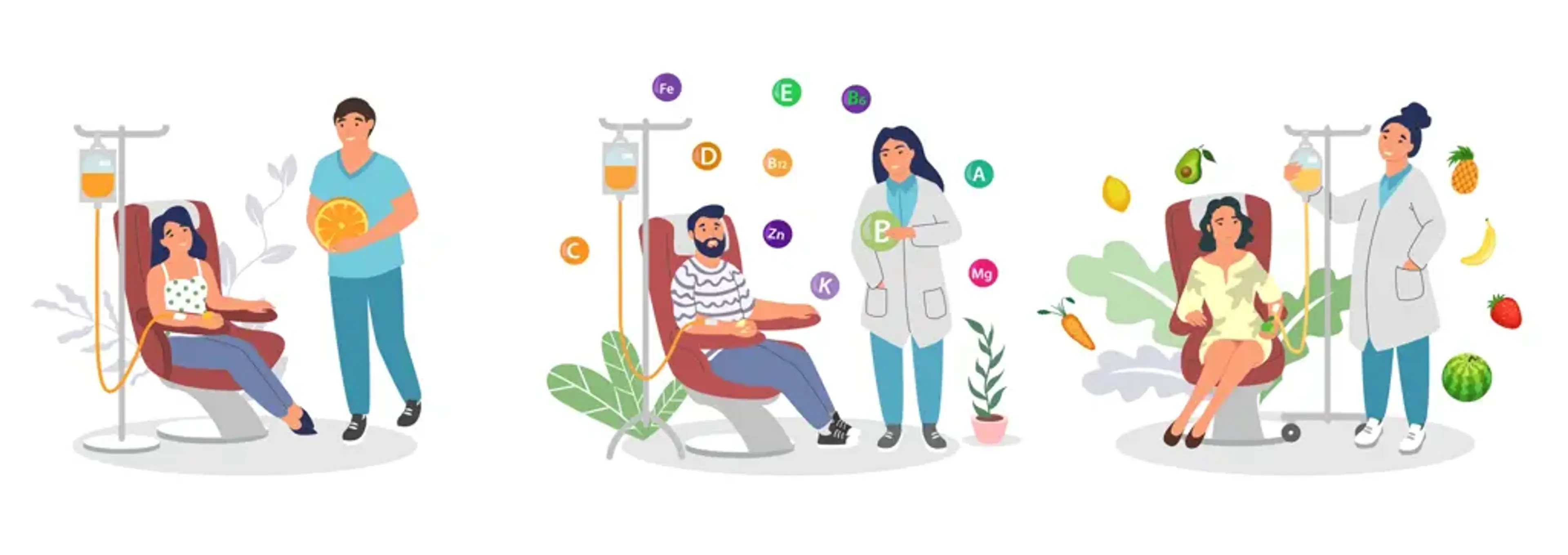
In these cases, oral supplements are rarely enough. The body’s demand far exceeds what digestion can absorb. This is where high-dose vitamin C infusions become a powerful clinical tool, not as a cure-all, but as a way to rebuild immune capacity from the inside out.
The immune system is often described as the body’s defense force, but that description barely scratches the surface. It is also a regulator, a repair mechanism, and a communication network that constantly scans for abnormalities.
What many patients don’t realize is how easily this system becomes depleted.
Cancer itself creates chronic inflammation and oxidative stress. Treatments such as chemotherapy and radiation, while often lifesaving, can suppress immune cell production and damage healthy tissue. Over time, immune cells become less responsive, signaling pathways weaken, and the body struggles to recover between treatment cycles.
Vitamin C is deeply involved in immune function at multiple levels:
Activation and mobility of white blood cells
Protection of immune cells from oxidative damage
Support of collagen synthesis for tissue repair
Regulation of inflammatory responses
Assistance in adrenal and mitochondrial energy production
In patients with chronic illness, vitamin C levels are often significantly lower than expected — not because of poor intake, but because consumption outpaces replenishment. Supporting the immune system in this context requires more than basic nutrition.
The difference between oral vitamin C and intravenous high-dose vitamin C is not incremental — it is fundamental.
When taken by mouth, vitamin C absorption is tightly regulated by the digestive tract. Blood concentrations reach a ceiling, no matter how large the dose. Intravenous administration bypasses this limitation entirely, allowing plasma levels to rise to pharmacological concentrations.
At these levels, vitamin C behaves differently in the body. Clinically, it can:
Enhance immune cell responsiveness and communication
Reduce systemic inflammation
Support detoxification and liver function
Improve fatigue and overall vitality
Create oxidative stress selectively in abnormal or cancerous cells while protecting healthy tissue
This selective behavior is one reason high-dose vitamin C has become an important supportive therapy in integrative oncology. It supports the body without adding toxic burden — a critical consideration for patients already navigating intensive treatment.
From a clinical standpoint, vitamin C infusions are most valuable when they:
Support immune resilience during chemotherapy or radiation
Help reduce treatment-related fatigue and inflammation
Aid recovery between treatment cycles
Improve overall quality of life during long treatment journeys
One important insight from real-world practice is this: immune support must be intentional and personalized. The same dose does not serve every patient equally. Timing, frequency, and overall treatment context matter.
This is why vitamin C therapy is guided by ongoing assessment rather than applied as a generic protocol.
Immune cells operate in environments of intense metabolic activity. When activated, they produce reactive oxygen species as part of their defense mechanisms. Vitamin C helps regulate this process, protecting immune cells from self-inflicted damage while preserving their ability to function effectively.
At therapeutic doses, vitamin C supports:
Natural killer (NK) cell activity, important for identifying abnormal cells
T-cell function and differentiation
Neutrophil mobility toward sites of inflammation
Balanced cytokine signaling to avoid excessive inflammatory responses
For patients with suppressed or exhausted immune systems, these effects can influence how well the body tolerates treatment and recovers afterward.
From a physician’s perspective, strengthening immune capacity is not about overstimulation. It is about restoring balance so the immune system can respond appropriately.
High-dose vitamin C infusions are safe when properly administered, but they require medical oversight. Kidney function, G6PD enzyme status, iron metabolism, and hydration levels must all be evaluated before treatment begins.
Pre-infusion laboratory screening
Individualized dose determination
Monitoring during each infusion session
Periodic reassessment as clinical conditions evolve
This level of supervision distinguishes therapeutic vitamin C infusions from wellness-based IV trends and ensures patient safety throughout care.
One of the most common misunderstandings we encounter is the belief that immune recovery happens quickly. In reality, rebuilding immune resilience is a gradual process.
High-dose vitamin C works best when:
Administered consistently over time
Integrated with nutritional and metabolic support
Combined with rest, stress management, and appropriate medical care
Many patients report subtle changes first — improved energy, clearer thinking, better sleep — before more measurable immune improvements appear. These early signs often reflect the body moving out of survival mode and back toward balance.
From clinical experience, patience and consistency matter far more than intensity.
While each patient is evaluated individually, high-dose vitamin C infusions are often beneficial for:
Cancer patients undergoing active treatment
Individuals recovering after chemotherapy or radiation
Patients experiencing chronic fatigue or immune depletion
Those with elevated inflammatory or oxidative stress markers
Patients seeking integrative support alongside conventional oncology care
Even individuals not currently in active cancer treatment may benefit when immune strain or metabolic stress is identified through proper assessment.
Cancer care does not end when treatment ends. Survivorship involves rebuilding strength, supporting immune surveillance, and reducing long-term risks.
In recovery phases, high-dose vitamin C may help:
Support tissue repair and wound healing
Reduce residual inflammation
Assist detoxification following intensive therapies
Improve stamina and overall quality of life
From a hospital perspective, this phase of care is often overlooked — yet it is where patients need guidance just as much as during treatment.
Integrative therapies like vitamin C infusions help bridge the gap between active treatment and long-term wellness.
A cancer diagnosis can leave patients feeling disconnected from their own bodies. Treatments are complex, decisions feel rushed, and the immune system — once invisible — becomes fragile.
High-dose vitamin C therapy, when thoughtfully applied, helps patients reconnect with the healing process. They understand why it is being used, how it supports their body, and what clinicians are monitoring along the way.
That understanding builds confidence, and confidence supports resilience.
Revitalizing the immune system is not about quick fixes or aggressive interventions. It is about creating the conditions the body needs to repair, defend, and recover.
Sometimes the most meaningful progress begins not by pushing harder — but by strengthening what the body already has.